
If your pet ever got lost, would someone be able to return them to you? For many pet owners, the answer comes down to one small thing: a microchip.
A microchip is one of the best ways to protect your pet. It's affordable, permanent, and easy to get. But a lot of pets either don't have one — or have one that was never set up properly, which means it won't actually help.
This guide will walk you through everything: what a microchip is, how to get one, and how to make sure it's set up correctly.
What Is a Microchip — and What It Isn't
A microchip is a tiny device about the size of a grain of rice. It gets placed just under your pet's skin, usually between the shoulder blades. It has no battery and doesn't need power. It just sits there quietly until someone scans it.
When a scanner passes over the chip, it reads a unique ID number. That number is connected to your contact information in an online database. So if your pet is lost and someone scans the chip, they can look up that number and find you.
A microchip is not a GPS tracker. It can't show anyone where your pet is. It doesn't send signals or connect to the internet. It only stores an ID number — but that number can bring your pet home.
A microchip also doesn't replace a collar and ID tag. Tags are easy for anyone to read right away, while a chip needs a scanner. Use both.
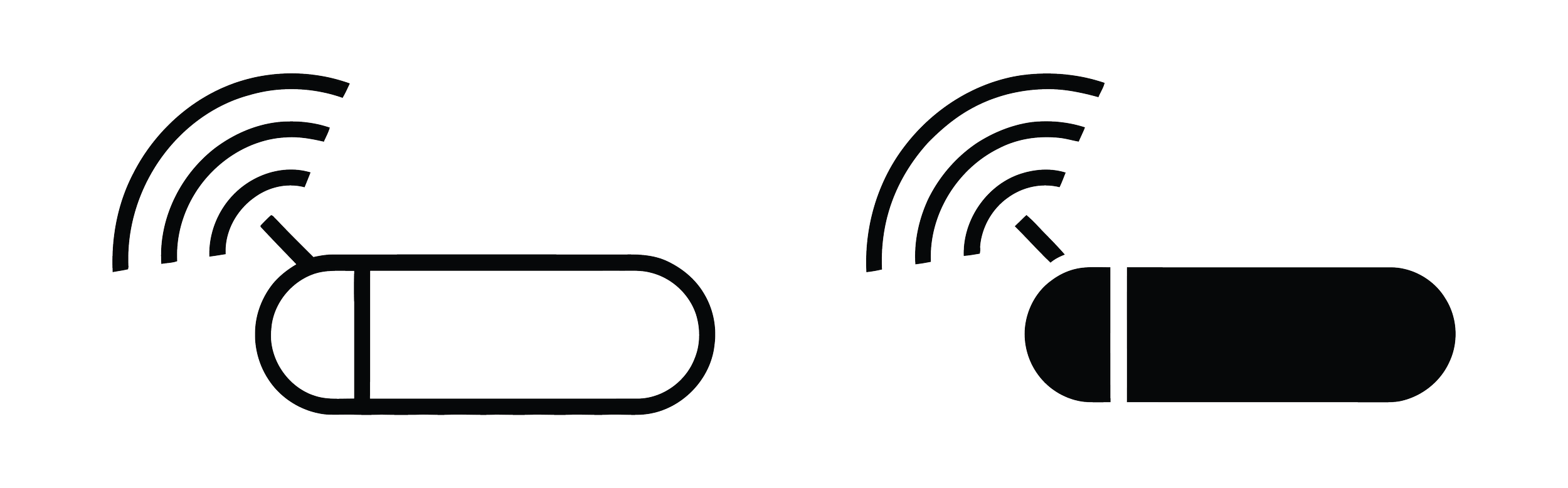
Pet microchips are tiny - about the size of a grain of rice.
Why Microchipping Matters
Collars can break or fall off. Tags can wear down and become hard to read. A microchip stays with your pet for life.
When a stray animal is brought to a shelter or vet clinic, staff scan them for a chip right away. If the chip is registered with up-to-date contact info, the owner can be reached within hours.
Without a chip, even a well-loved pet can end up lost with no way to find their family.
How to Get Your Pet Microchipped
Where to Go
Getting your pet microchipped is easy and doesn't require a special appointment. You can go to:
Your regular vet — most clinics offer this as a standard service; find a vet
Animal shelters and humane societies — many offer low-cost or free microchipping, especially around holidays; call ahead to make sure the service is offered
Community pet clinics — local shelters and rescues often host these throughout the year
Some pet stores — select Petco and PetSmart locations offer microchipping through vet partners
If you adopted your pet from a shelter or rescue, they were probably already microchipped. Check your adoption paperwork — the chip number should be listed there.
What to Expect
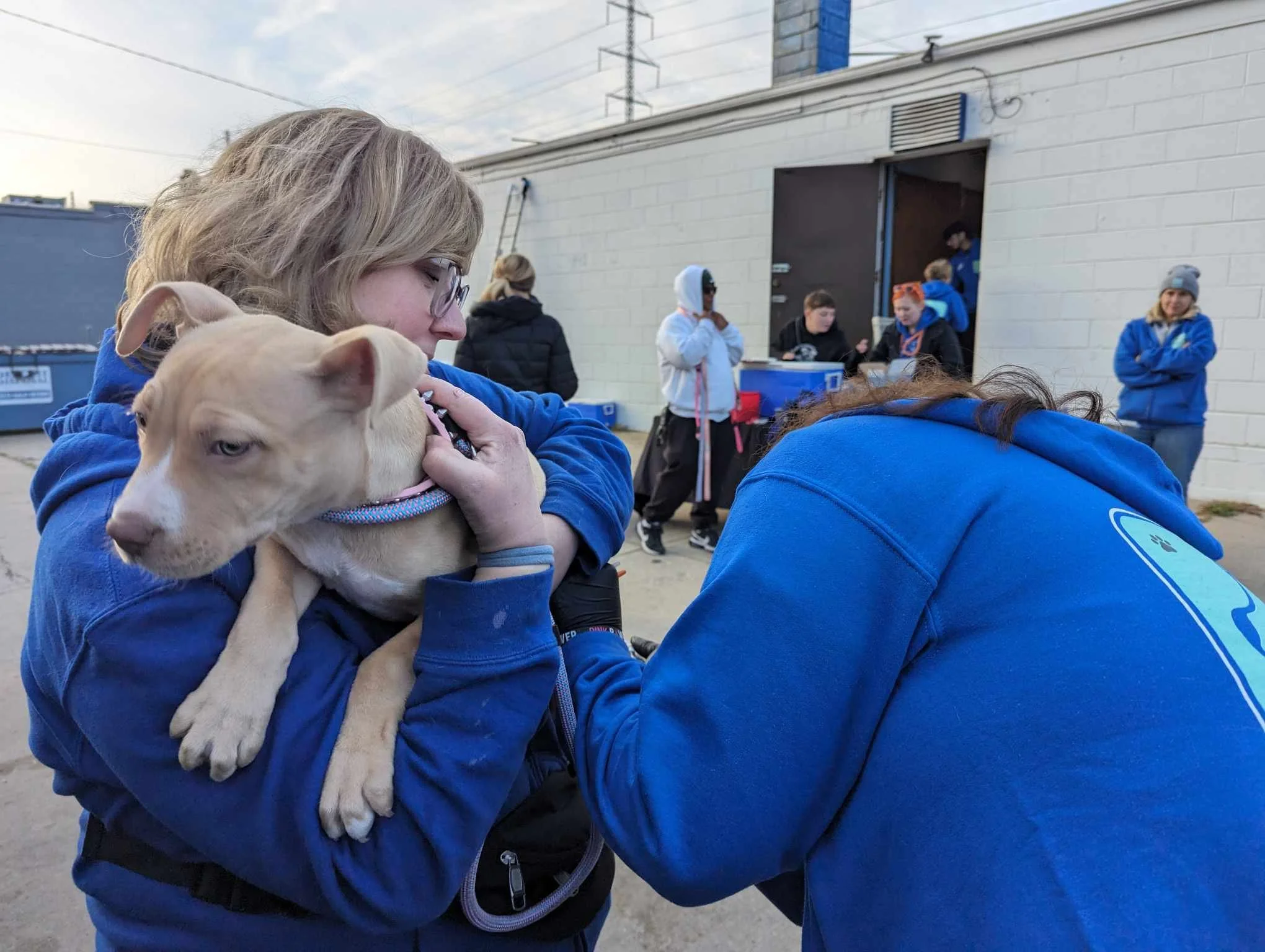
The process is fast and simple. A vet or trained staff member uses a needle to inject the chip under the skin. It feels similar to a regular vaccine shot. It takes just a few seconds and doesn't require any sedation. Most pets barely notice.
What It Costs
Prices vary by location. At a vet clinic, you can expect to pay between $25 and $75. Community clinics or shelter events are often $10 to $25. Some shelters include the chip in their adoption fee at no extra cost. Detroit Animal Care and Control microchips every animal before adoption.
The Step Most People Skip: Registration
This is where a lot of pet owners make a mistake — and it's an important one.
A microchip is just a number. It doesn't do anything until that number is registered in an online database with your contact information. If the chip isn't registered, no one can use it to reach you.
After your pet gets chipped, you or your vet needs to register the chip number with a pet microchip registry. Some of the main ones in the US are:
PetLink (petlink.net)
Found Animals Registry (foundanimals.org)
HomeAgain (homeagain.com)
AKC Reunite (akcreunite.org)
There's no single registry that everyone uses, so the best place to start is the AAHA Universal Pet Microchip Lookup at petmicrochiplookup.org. It searches multiple databases at once and tells you which one has your pet's record.
How to Register
Find your pet's chip number — it's on your adoption paperwork, vet records, or the registration card you got when your pet was chipped; if you can’t find the number, take your pet to any vet or shelter to have it scanned
Go to petmicrochiplookup.org and search the number to find which registry it's in
Log in to that registry and make sure your phone number, address, and email are correct
If a shelter or vet chipped your pet, they may have listed themselves as the owner temporarily. Make sure the record has been updated to show you as the owner with your current contact info.
Keeping Your Information Current
Registering the chip once isn't enough. Your information needs to stay up to date.
Update your registry record any time you:
Get a new phone number
Move to a new address
Change your email address
Take in a pet from someone else
Give a pet to a new owner
Updating is fast — most registries let you do it online in about five minutes. It's a good idea to check your info once a year, and any time your contact details change.
One of the most common reasons microchipped pets don't make it home is outdated information. The chip gets scanned, the number gets looked up, and the phone number on file is disconnected — or the address is somewhere you moved from years ago.
Don't let that be the reason a reunion doesn't happen.
A Note for New Pet Owners
When you bring home a new pet — from a breeder, a shelter, or someone you know — ask your vet to scan for a chip at your first visit. They can confirm whether a chip exists, check the number, and help you get the registration updated.
If there's no chip, get one at that same appointment. It's a small, one-time cost that protects your pet for life.
Quick Summary
Get chipped: Go to your vet, a local shelter, or a community clinic
Register the chip: Use petmicrochiplookup.org to find and set up your record
Keep info current: Update your registry whenever your contact details change
A microchip is one of the easiest, most lasting things you can do for your pet. It takes just a few minutes, lasts their whole life, and could make all the difference when it counts most.
